01
Adventure Picaresque Fiction
Journey with cunning rogues through episodic tales of adventure, wit, and societal satire.

Independent digital catalogue
This catalogue assembles 94 public-domain works, mostly English-language plays and related critical or historical texts from Project Gutenberg. Its four categories—Adventure Picaresque Fiction, Fantasy Juvenile Worlds, Science Fiction Utopias, and Historical Psychological Social Fiction—are not strict genres but loose navigational aids, often overlapping where a work fits multiple subjects. The mix is useful for comparing dramatic structures across periods (Greek, Elizabethan, Restoration, Victorian, early modern) or for tracing themes like revenge and identity. To enter, choose a path: follow a single author across categories (Shakespeare appears in several), select a century and contrast styles, or pick a theme and cross-compare catalogue notes. Each record includes keywords, target-reader notes, and editorial context to guide first readings.
Subject gateways
Browse the collection by genre, historical setting, and source type.
Journey with cunning rogues through episodic tales of adventure, wit, and societal satire.
Step into extraordinary realms where young heroes embark on epic quests, now on afufo.com.
Uncover literature’s most ambitious blueprints for ideal futures within the Science Fiction Utopias theme card.
Explore gripping fiction where historical settings reveal intricate psychological journeys and profound social commentary.
A closer look
One work and three nearby readings from the current catalogue.
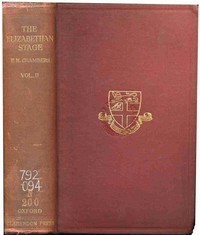
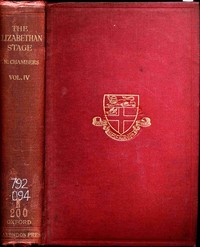
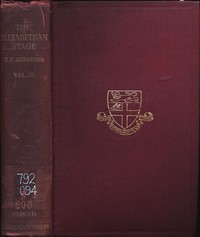
Authored by Authors: Chambers, E. K. (Edmund K..., 'The Elizabethan Stage, Vol. 2 — ...' stands as a notable and significant work within the Science Fiction Utopias category. This volume catalogs Elizabethan acting companies and playhouses, tracing troupes from boy companies to adult troupes and theaters from inns to the Globe. Chambers uses archival records to document patronage shifts, legal disputes, and performance spaces, with detailed entries on figures like Richard Tarlton. It serves as a vital entry point into the broader subjects represented in our archive.
View catalogue record
Routes through the collection
Four routes into the collection for readers approaching the catalogue with different questions.
Record framework
Learn how catalogue records are presented and linked without changing the public-domain texts they represent.
Connect each catalogue entry to the files and references that are currently accessible.
Show title, author, and edition details to help you discover works more easily.
Group titles by recurring themes, literary settings, and historical questions.
Explain how records relate to each other while staying true to the original source texts.
About these records
How the collection is organized, presented and corrected.
It generally means that the represented source text is no longer protected by copyright in the applicable jurisdiction or has been released for public use. Status may vary by country and edition.
A record may include the title, author, category, cover, description, edition information, source references and available reading or download options.
A category reflects a work’s principal subjects, literary setting, source type and relationship to nearby records in the collection.
The catalogue adds navigation, metadata and editorial context. The represented source text retains its wording, edition information and rights status.
Use the contact page and include the work title, page address and the exact attribution, category, metadata or source detail requiring attention.
Catalogue stewardship
Catalogue information
AFUFO Catalogue describes the overall structure of the digital library, which includes 94 books and 85 authors across 4 categories. Catalogue organization supports the collections are accurate and reliable.